


What matters first in an emergency
Safe first action
We focus on hazards, weather entry and the safest way to approach the roof.
Temporary cover if needed
Where conditions demand it, we stabilise the roof before the lasting repair.
Damage checked properly
We inspect nearby coverings and junctions, not only the most obvious break.
What we need to know when the roof cannot wait
When water is actively getting in or parts of the roof have shifted, the first concern is making the situation safer and limiting further damage. In Swansea, we deal with urgent roofing call-outs for dislodged materials, exposed sections, storm damage and sudden leaks that cannot wait for a calmer week. We ask what happened, where the water is coming in and what you can see from ground level or inside the house. That helps us judge the urgency and the safest way to approach the roof without asking you to take risks.

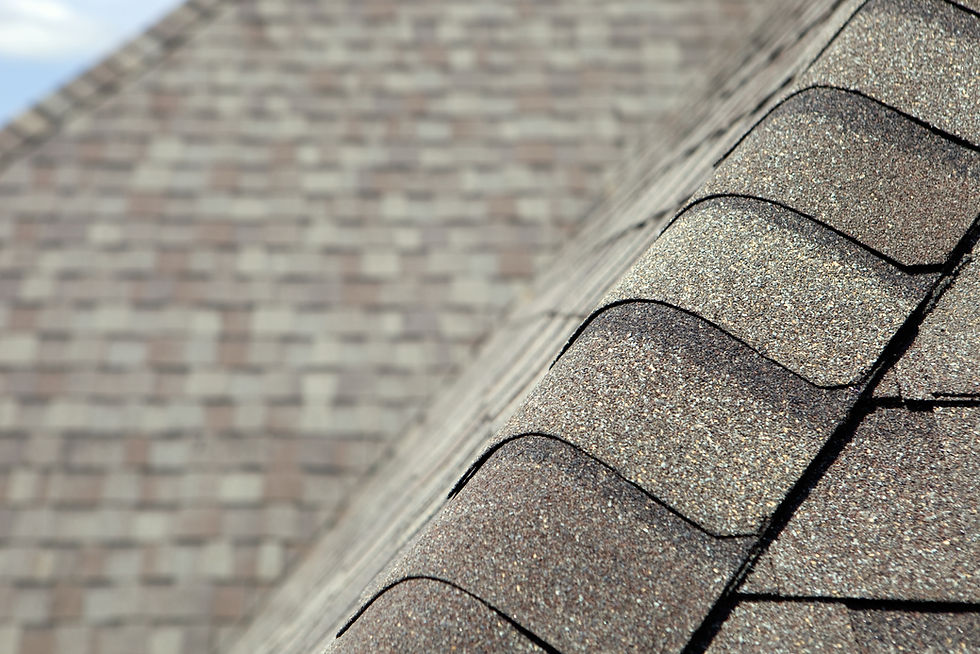
Temporary protection and the lasting repair
Emergency work is not always the final repair on the first visit. Weather, access and the condition of the roof can mean the right first step is temporary weather protection to hold the line until permanent work can be completed safely. Once the immediate risk is reduced, we assess the affected area properly, look for movement in nearby coverings and junctions, and plan the lasting repair that restores the roof system rather than leaving a fragile patch behind.
Frequently asked questions
What counts as a roofing emergency?
A roofing problem becomes urgent when water is actively entering the house, roof sections are exposed, materials have come loose or debris poses a risk below. Those are the situations where waiting can quickly mean more damage indoors or a bigger safety issue outside.
Should we climb up to inspect the damage?
No. Stay at ground level or inside the property and tell us what you can safely see. Clear photos from a window or garden can help if they can be taken without risk. The roof can be assessed properly once safe access is in place, which is a better plan than turning one emergency into two.
Will the first visit be a permanent repair?
Sometimes, if conditions, access and the extent of the damage allow it. In other cases the right first step is temporary weather protection to reduce further water entry and stabilise the area. Once the roof can be inspected fully, we can plan and carry out the lasting repair.