

What makes tiled roofs sit right
Tile type judged properly
Clay or concrete is weighed against pitch, profile, colour and structure.
Hidden layers done right
Underlay, batten spacing and headlap matter as much as the tiles you can see.
Edges finished properly
Ridges, verges and junctions are completed so exposed areas stay weather-resistant.
Getting the right tile and the right set-out
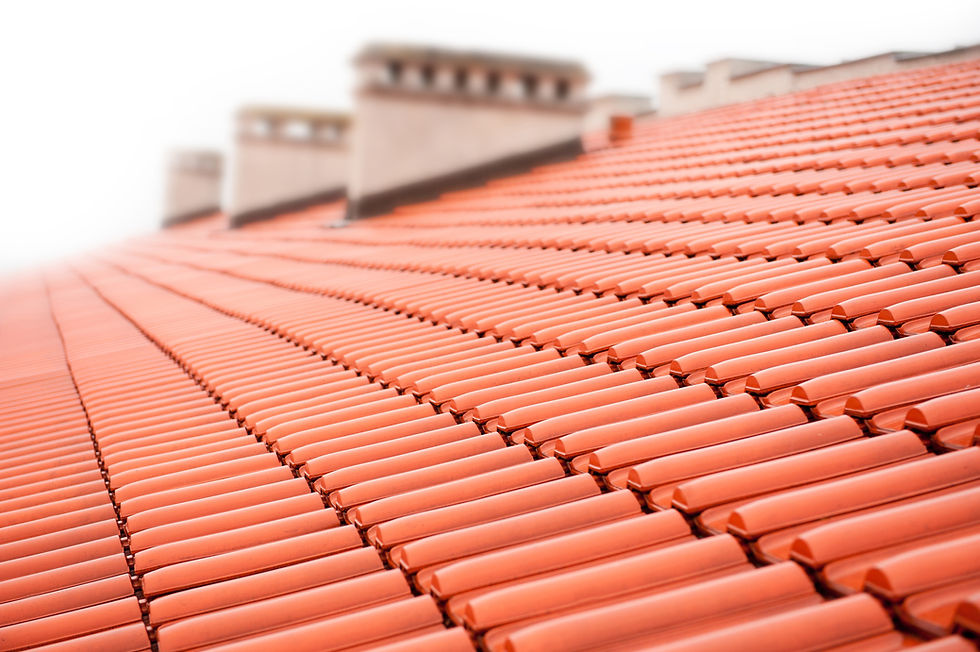
Tile roofs have plenty of variation hidden inside what looks like a simple choice. Clay and concrete tiles differ in weight, profile, colour and how they sit on the roof, so the pitch and existing structure need thinking about before work starts. In Swansea, we carry out roof tiling for new sections, renewals and repairs, with attention to the layers underneath as well as the visible finish. Batten spacing, underlay, headlap and the right fixings all help the tiles sit properly and keep the weather moving down the roof, not under it.

From single tile faults to wider tiled sections
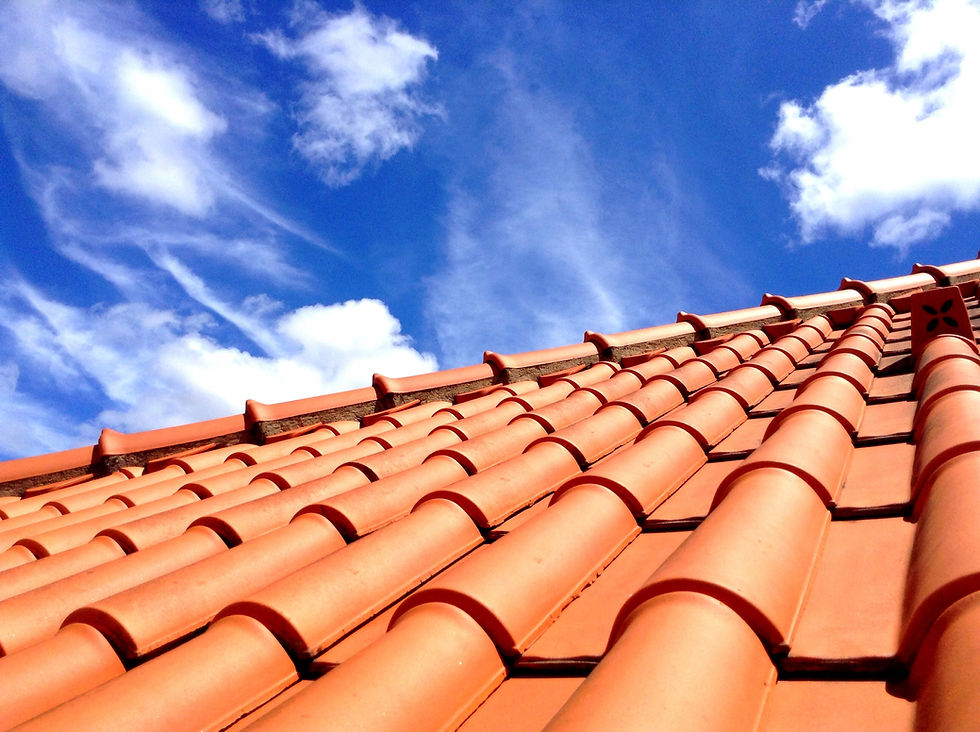
Cracked, slipped or missing tiles can often be replaced without turning the whole roof into a building site, but the surrounding courses still need checking for movement. Ridge pieces, verges and junction details also play a big part, because exposed edges are where tiled roofs often start to lose their fight with the weather. Where deterioration has spread, renewing a wider section can leave you with a sounder result than swapping one tile after another and hoping the rest behave themselves.
Frequently asked questions
How do we choose between clay and concrete tiles?
We look at the roof pitch, the weight the structure can handle, the profile that suits the property and the finish you want to see on the house. Clay and concrete both have their uses, but the right choice should fit the roof practically as well as visually.
Can one broken tile be replaced on its own?
Often, yes, provided the surrounding tiles and fixings are still sound. We still inspect the nearby courses, though, because a cracked or displaced tile can be part of wider movement. If the area around it is failing too, renewing a section can make more sense than swapping one tile and hoping for the best.
Do ridges and verges matter as much as the main tiles?
Yes. The exposed edges and top lines of a tiled roof are often where wind and rain work hardest. If ridges, verges or junctions are weak, the main tiled field can still end up compromised. A sound tiled roof depends on those details being finished properly, not treated as an afterthought.