


What a pitched roof needs to work
Roof shape guides the spec
Pitch, geometry and structure help determine the right covering and layout.
Slate or tile judged fairly
Weight, profile, look and pitch all matter when choosing the finish.
Weathering details completed
Ventilation, ridges, valleys, verges and flashing are built into the roof plan.
Planning the shape, pitch and covering together
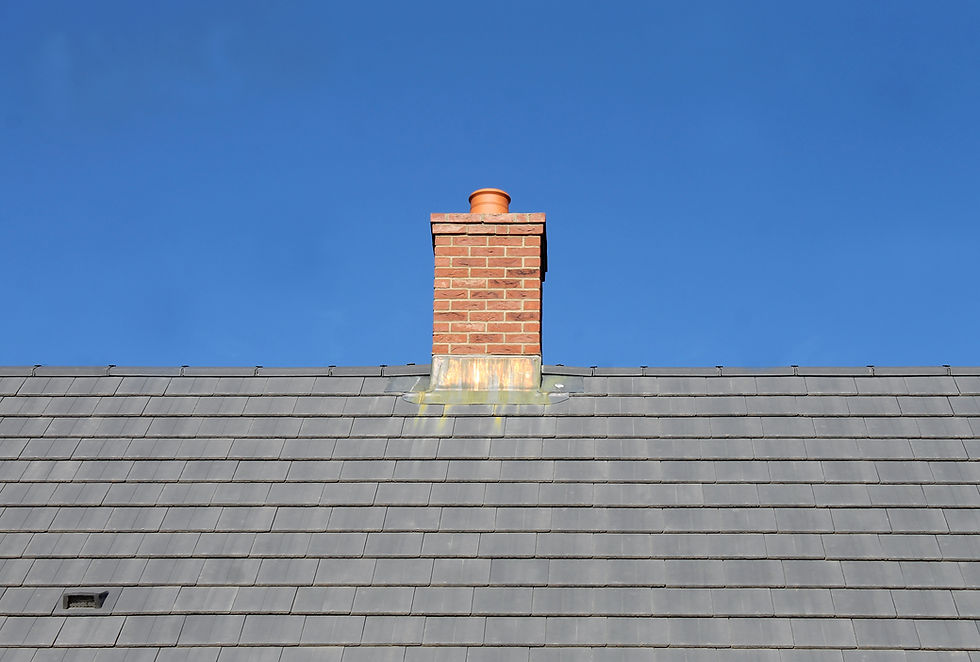
A pitched roof has more going on than the finish you see from the street. Its geometry, pitch and structural condition all influence the covering that can be used and how the roof needs to be set out. In Swansea, we install new pitched roofs with either slate or tile, planned around the property rather than forcing the house to suit a stock answer. Underlay, battens, coverings, ventilation, ridges, valleys, verges and flashing have to work as one weathering system if the finished roof is going to stay sound through wind and rain.

Why the sequence and detailing both matter
The installation sequence matters because every stage affects the next one. We start with the structure and setting out, then build through the main covering and complete the roof with the drainage and junction details that keep water moving where it should. Choosing between slate and tile depends on appearance, weight, profile and suitability for the roof pitch. Good ventilation is also part of the job, because a roof that looks sharp outside still needs to manage moisture sensibly underneath.
Frequently asked questions
How do we choose between slate and tile?
We look at the roof pitch, geometry, structural loading, the appearance you want and how the covering will sit with the house. Both materials can work very well, but the right choice depends on the roof itself rather than on a one-size-fits-all preference.
Why is ventilation part of a new pitched roof?
A pitched roof does not only need to keep rain out. It also needs to manage moisture within the roof space sensibly. Good ventilation helps support that, which is why it sits alongside the underlay, battens, covering and junction details as part of the overall roof design.
What completes the weathering system on a pitched roof?
The visible slate or tile finish is only part of it. Underlay, battens, ridges, valleys, verges, flashing and drainage details all help keep water moving off the roof correctly. If those supporting elements are weak, the main covering has to work much harder than it should.